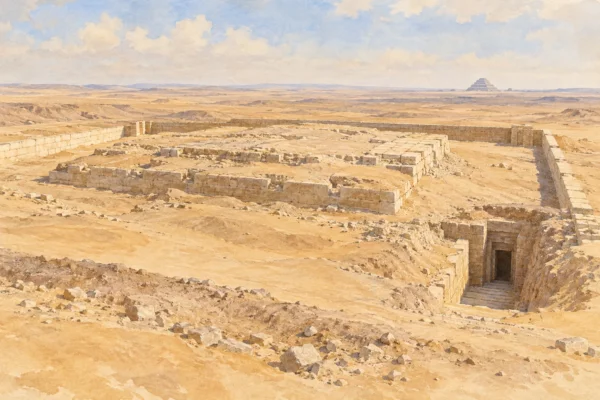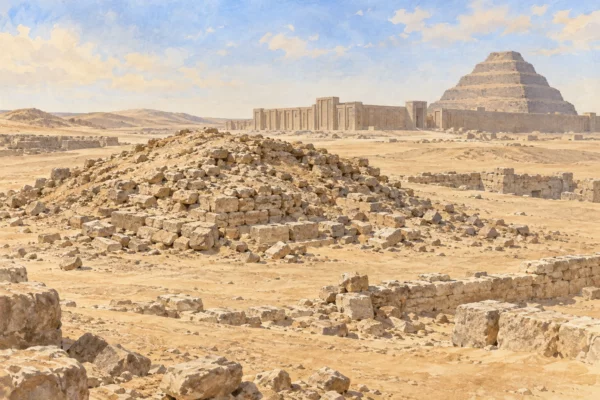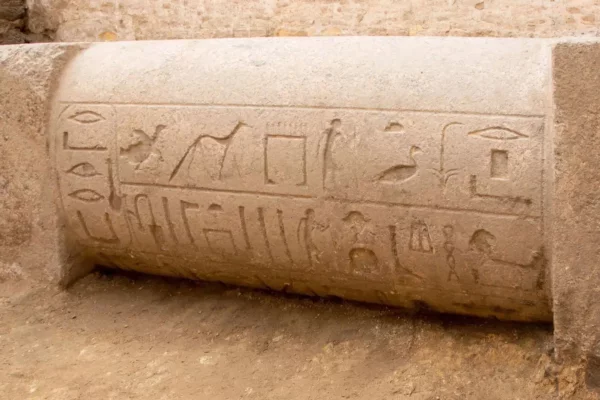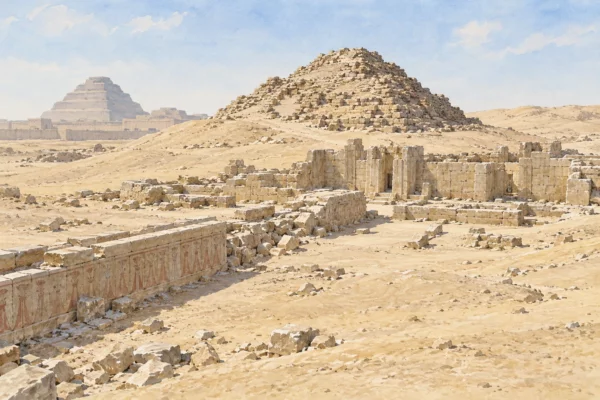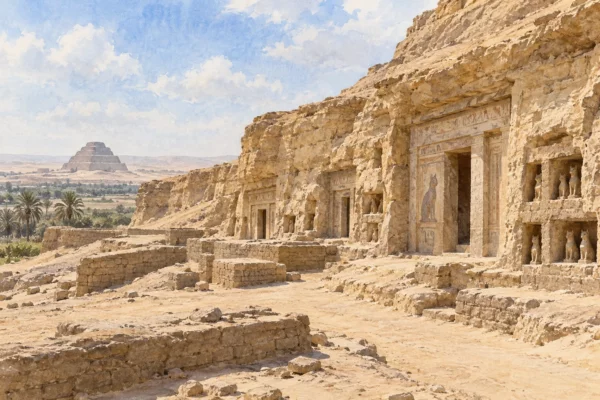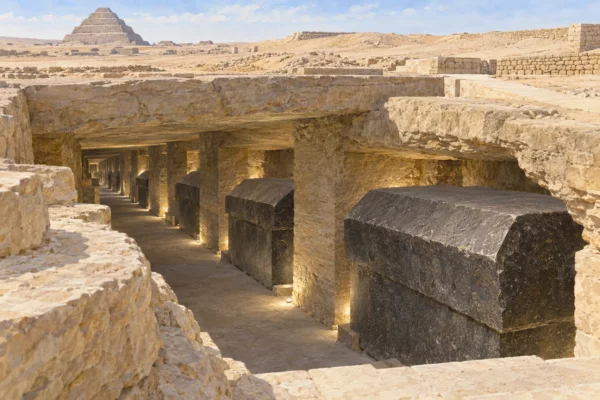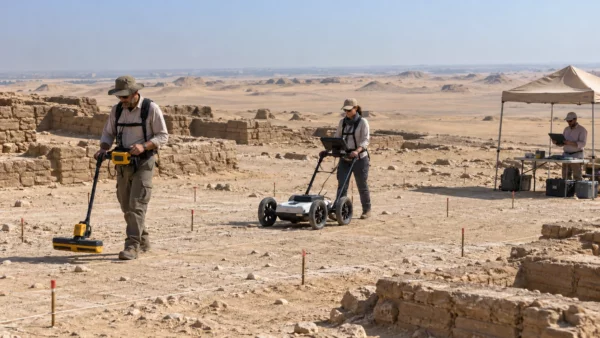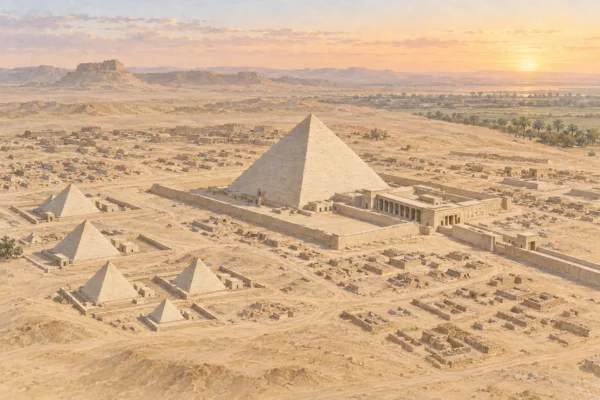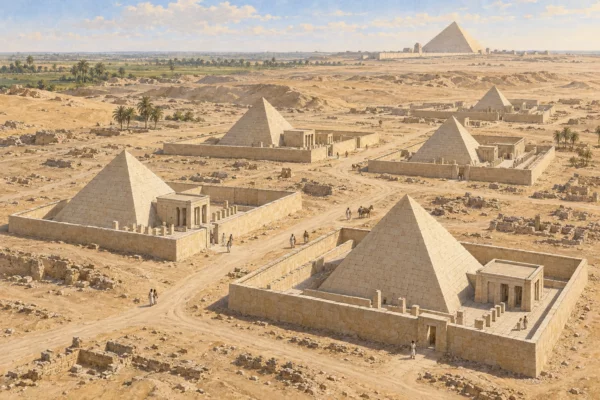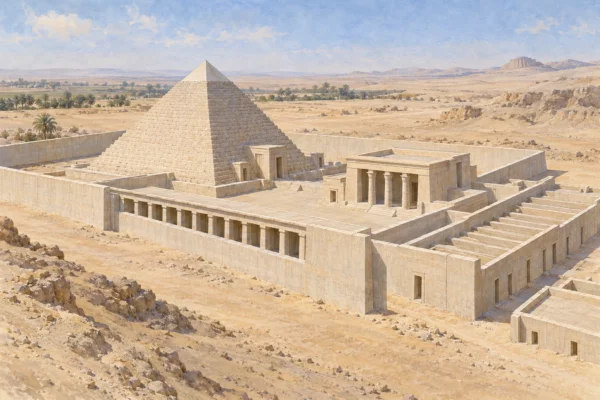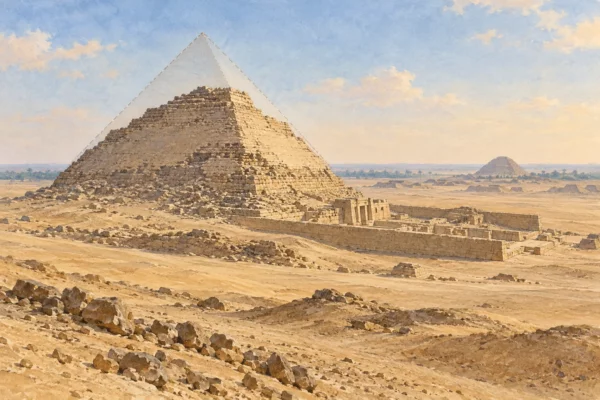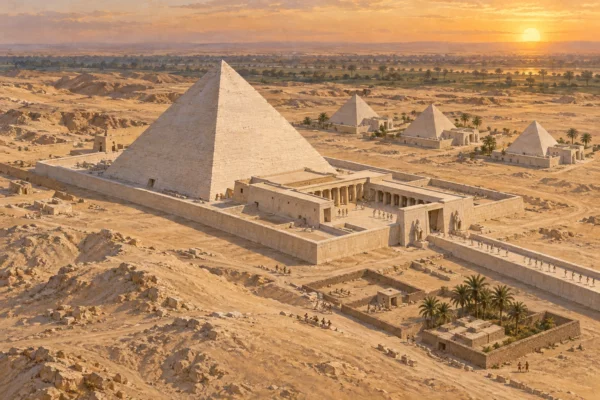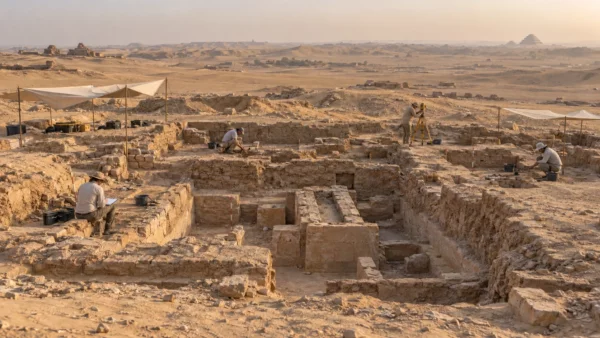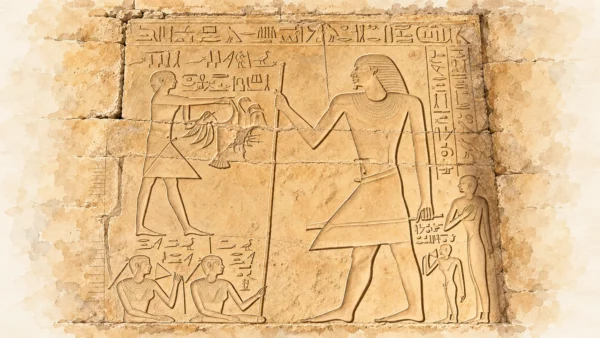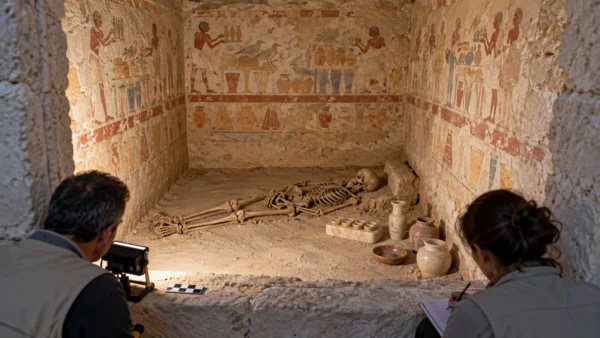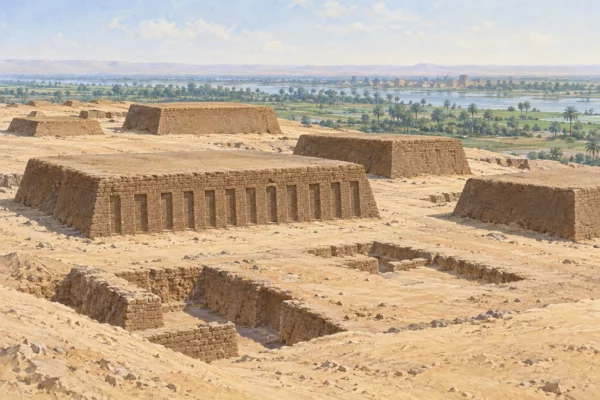
North Saqqara, the great mastabas of the first dynasties
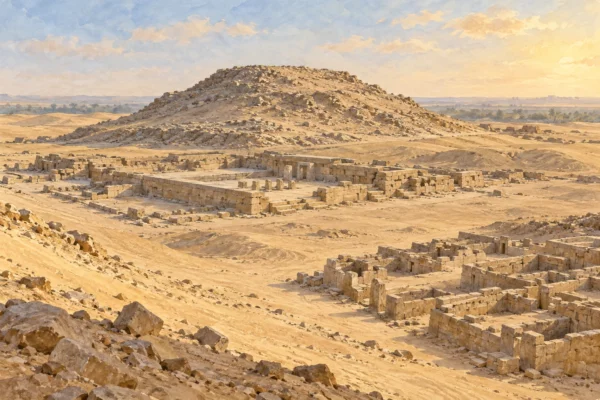
In the north of the Saqqara plateau, near ancient Memphis, large mudbrick tombs were built for the elites of the first dynasties, c. 3100–2700 BC. Their visible part took the…
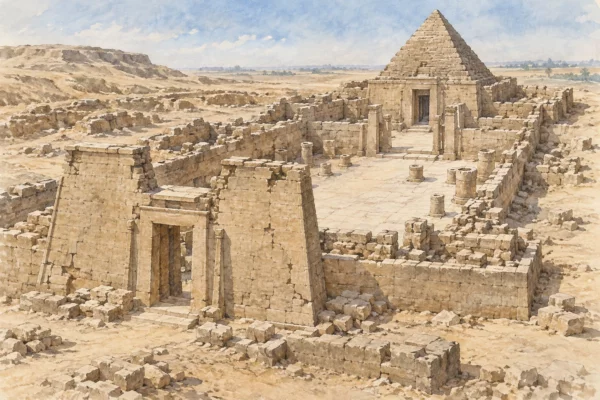
Read the articleSaqqara, necropolis of Memphis: the step pyramid of Djoser, mastabas, Pyramid Text pyramids, the Serapeum and New Kingdom tombs, from the first dynasties to the Ptolemaic period.
In the north of the Saqqara plateau, near ancient Memphis, large mudbrick tombs were built for the elites of the first dynasties, c. 3100–2700 BC. Their visible part took the…
Read the articleAt the beginning of the 3rd Dynasty, c. 2667–2648 BC according to the chronology of the Egyptian ministry, King Netjerikhet had an unprecedented funerary complex built at Saqqara. Today he…
Read the articleSouth of the complex of Djoser, on the Saqqara plateau, lies the interrupted building site of another pyramid of the 3rd Dynasty. It is attributed to King Sekhemkhet, whose royal…
Read the articleIn the north of Saqqara, near the north-east corner of Djoser’s enclosure, lie the remains of the pyramid of Userkaf. This king opened the 5th Dynasty, after the great building…
Read the articleIn 2025, an Egyptian mission announced the discovery at Saqqara of the tomb of Userefre, or Waser-If-Re, presented as a son of King Userkaf. The monument belongs to the beginning…
Read the articleSouth of the complex of Djoser at Saqqara, the pyramid of Unas is more modest than the giants of Giza. Unas, the last king of the 5th Dynasty, reigned according…
Read the articleTeti, the first king of the 6th Dynasty, had his pyramid built at Saqqara c. 2345–2323 BC. From the outside it now looks like a hill of stone. Yet its…
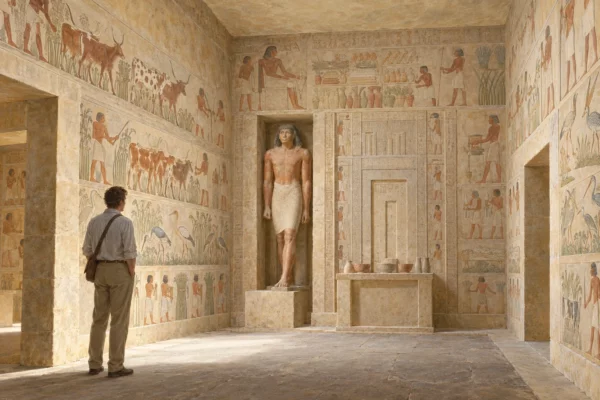
Read the articleAt Saqqara, north of the pyramid of Teti, the mastaba of Mereruka opens a window on the royal court and on images of daily life at the end of the…
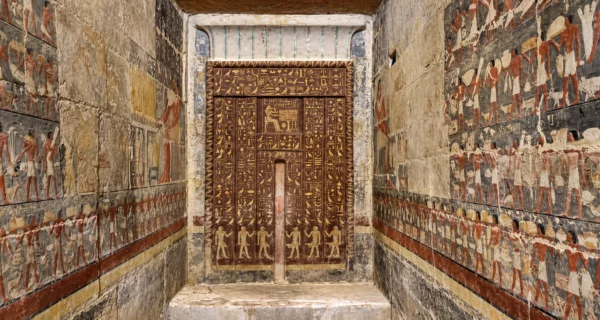
Read the articleThe tomb of Mehu belongs to Saqqara and to the 6th Dynasty. Discovered in 1940 by the Egyptian archaeologist Zaki Saad, it lies near the complex of Djoser. Mehu was…
Read the articleBefore becoming the last king of the 18th Dynasty, Horemheb had a large tomb built at Saqqara, near the old capital Memphis. He was then a senior military and political…
Read the articleThe Bubasteion is a sector of the Saqqara cliff associated with Bastet and with deposits of mummified cats. The area also includes New Kingdom tombs reused much later. Their original…
Read the articleThe Serapeum of Saqqara was the necropolis of the Apis bulls linked to Ptah of Memphis. Its use began in the New Kingdom and continued until the Ptolemaic period. The…
Read the articleUserkare reigned at the beginning of the 6th Dynasty, between Teti and Pepi I. His name survived in the king lists and in the annals of South Saqqara, but his funerary…
Read the articleAt South Saqqara, King Pepi I had his pyramid built in the 6th Dynasty, around the middle of the 3rd millennium BC. His throne name was Meryra. The king’s complex became…
Read the articleAround the pyramid of Pepi I, at South Saqqara, several queens and women of the royal family had their own monuments. The excavations of the French-Swiss Archaeological Mission have revealed a…
Read the articleThe pyramid of Ankhesenpepi II lies in the queens’ necropolis south-west of that of Pepi I, at South Saqqara. This queen was the wife of Pepi I and then of Merenre I, and the…
Read the articleMerenre I succeeded Pepi I during the 6th Dynasty. His pyramid lies at South Saqqara, near the other royal monuments of this period. Its exterior is now very ruined, but its funerary…
Read the articleThe pyramid of Pepi II stands at South Saqqara, at the heart of the funerary complex of King Neferkare, a ruler of the late 6th Dynasty. His reign was exceptionally long,…
Read the articleSouth of the Step Pyramid of Djoser, Tabbet al-Guesh is not an isolated tomb but a vast stretch of the Saqqara necropolis, between the unfinished complex of Sekhemkhet and the…
Read the articleAt the entrance to the funerary chapel, a profile carved in stone makes Pepior immediately present. At Tabbet al-Guesh, in the necropolis of South Saqqara, Vassil Dobrev’s team found not…
Read the articleIn February and March 2015, Vassil Dobrev’s mission opened two burial chambers at Tabbet al-Guesh in the names of Sabi and Ankhti, both lector priests under the reign of Pepi II.
Read the article