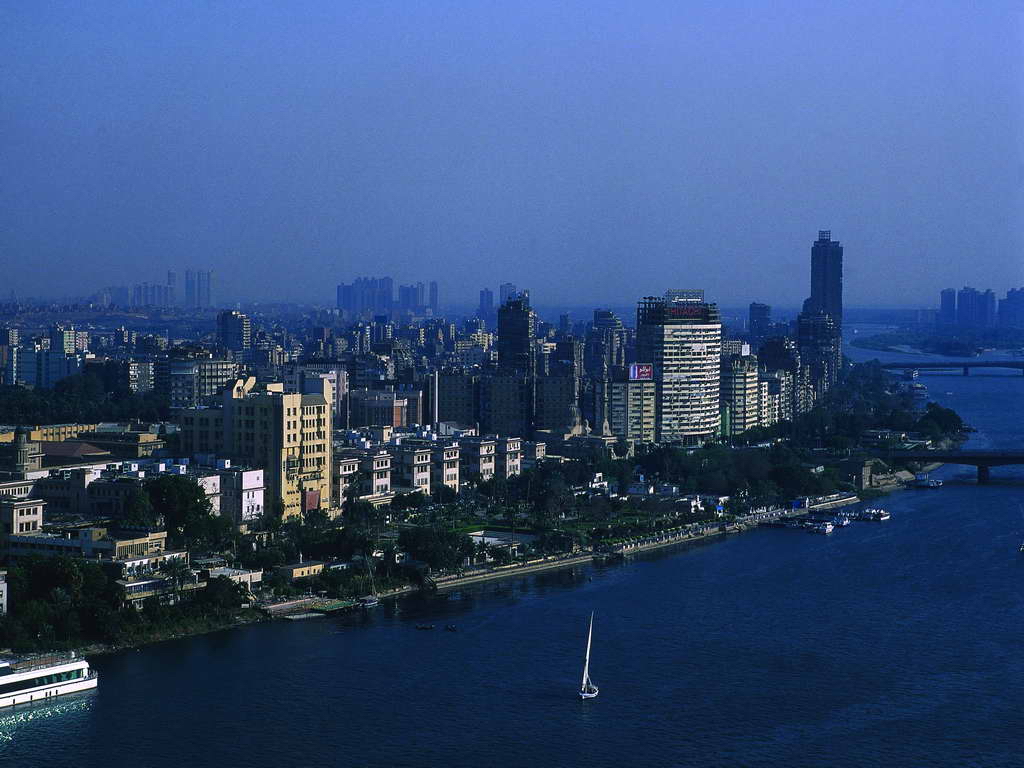
Cairo cannot be taken in at a glance. The Nile opens the space; a street closes it again at once. Between the minarets, the markets and the museums, the ages do not line up in order. They cross one another to the rhythm of the inhabitants.
A city of many times
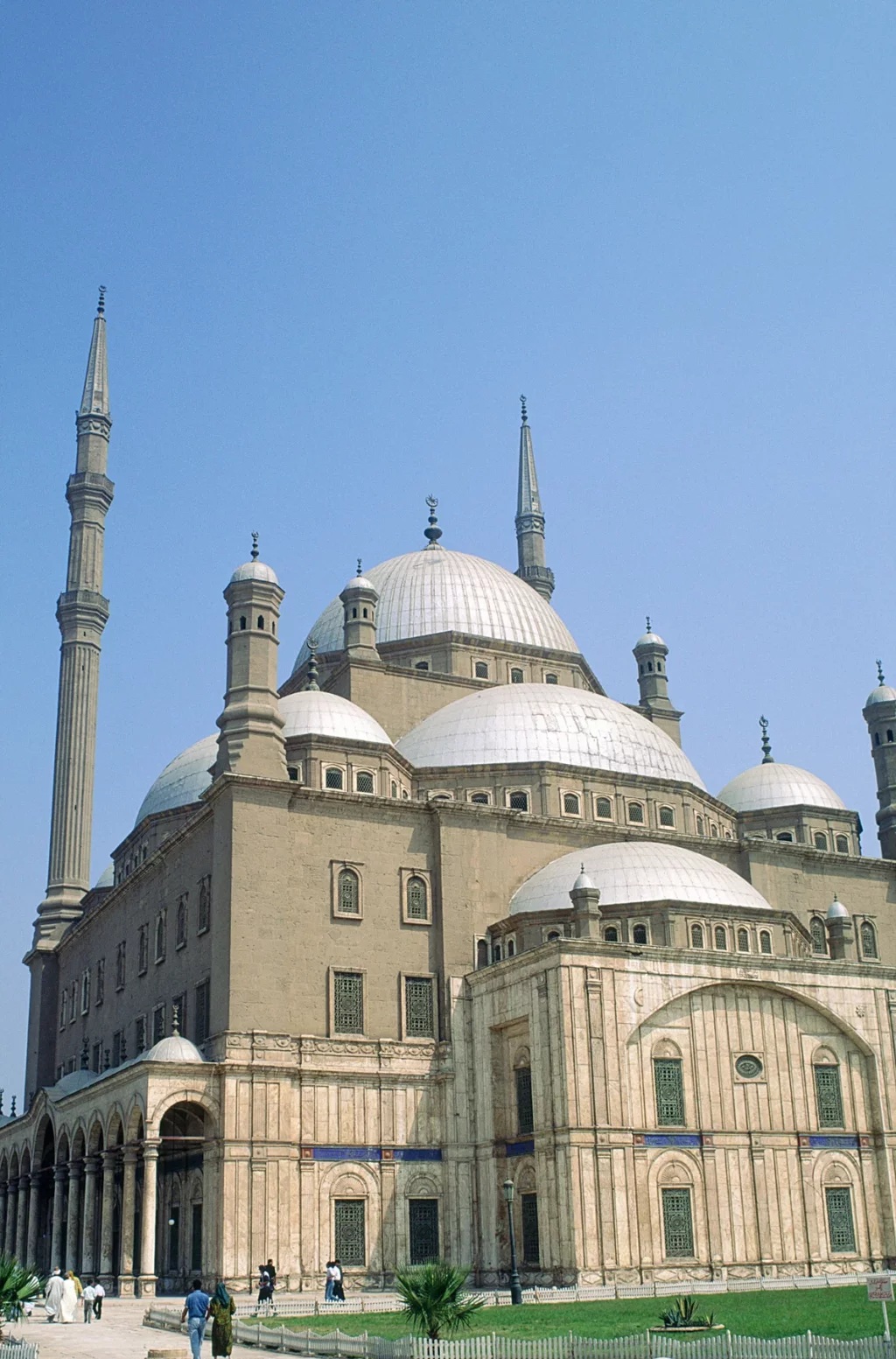
Historic Cairo brings together districts born and transformed over the centuries. Fustat, the medieval foundations and the complexes built by different Islamic dynasties belong to this long urban history. UNESCO recognises its heritage value. The monuments do not stand alone there: houses, places of worship, shops and streets make up a living fabric. It is in their neighbourhood that the city is understood.
From the river to the streets
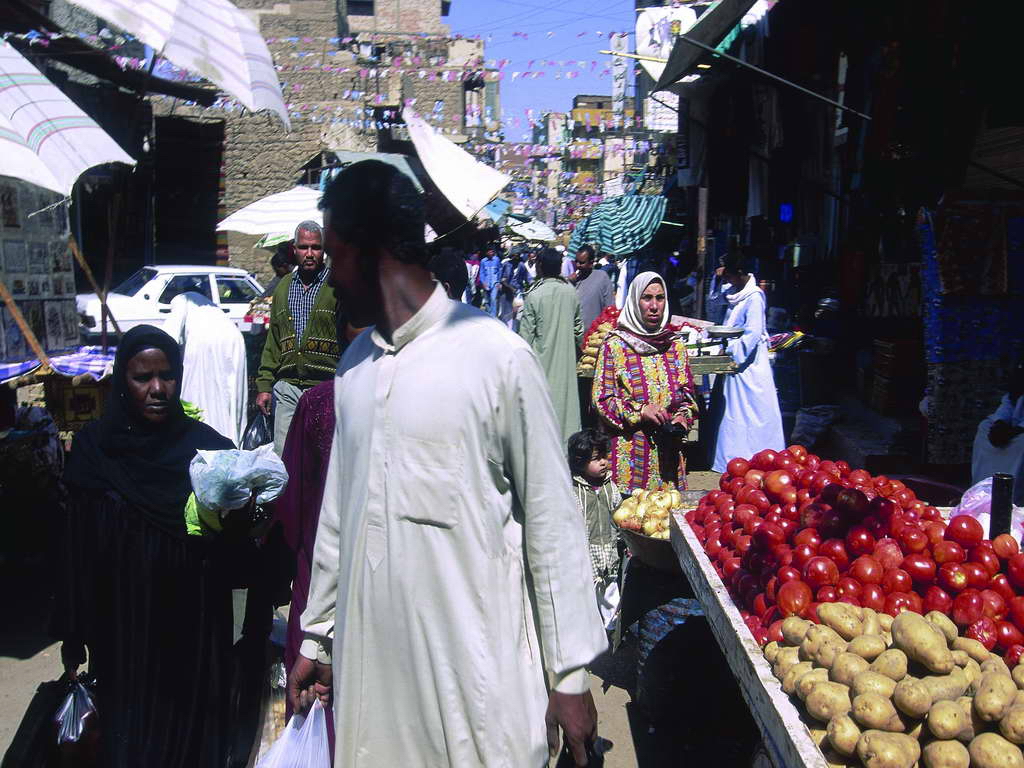
From the bank, Cairo seems almost continuous, immense and calm. You only have to leave the water for the city to change scale. A dome appears between two facades; a minaret stands out, then disappears round a corner. Workshops and stalls bring the eye back to the present. No panorama can contain all these layers, and that is perhaps what invites you to walk further.
Objects and stories
The Egyptian Museum on Tahrir Square, opened in 1902, holds collections covering many periods. Its galleries take you from the streets of the capital to the works of ancient Egypt. Displays and museum routes change: the memory of a showcase should not become a definitive description. The objects too ask us to look at their labels, their contexts and the stories of their discovery.
A pause amid the movement
In the Khan el-Khalili quarter, the El-Fishawi café offers a pause amid the voices. A table and a glass of tea are enough to change the rhythm. This travel memory joins what the monuments alone do not say: a city also holds together through its ordinary gestures, its encounters and the paths repeated every day.
Carrying on through the city
Cairo does not end at the edge of a district or the exit of a museum. To the west, Giza sets the present-day metropolis face to face with an Old Kingdom plateau. Further south, Saqqara extends the history of Memphis. The map brings these places together without erasing the centuries that separate them.